
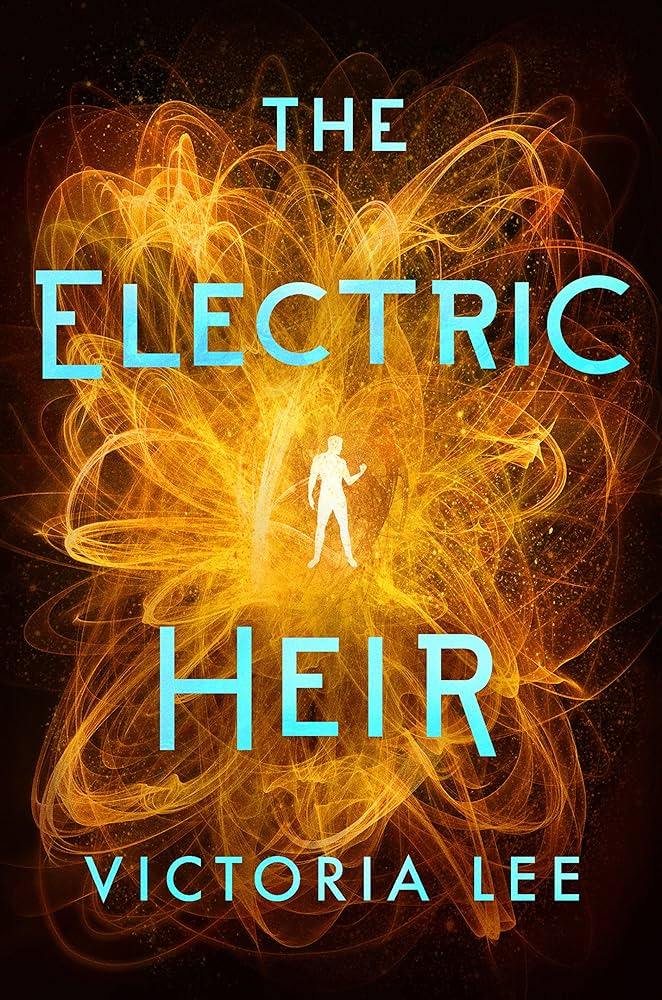
Year published: 2020
Category: YA dystopian/sci-fi
Representation: gay main characters and side characters
CW: grooming, emotional, physical and sexual abuse of minor characters, addiction to alcohol and drugs, anorexia, genocide
Summary: Six months after Noam Álvaro helped overthrow the despotic government of Carolinia, the Atlantians have gained citizenship, and Lehrer is chancellor. But despite Lehrer’s image as a progressive humanitarian leader, Noam has finally remembered the truth that Lehrer forced him to forget—that Lehrer is responsible for the deadly magic infection that ravaged Carolinia.
Now that Noam remembers the full extent of Lehrer’s crimes, he’s determined to use his influence with Lehrer to bring him down for good. If Lehrer realizes Noam has evaded his control—and that Noam is plotting against him—Noam’s dead. So he must keep playing the role of Lehrer’s protégé until he can steal enough vaccine to stop the virus.
Meanwhile Dara Shirazi returns to Carolinia, his magic stripped by the same vaccine that saved his life. But Dara’s attempts to ally himself with Noam prove that their methods for defeating Lehrer are violently misaligned. Dara fears Noam has only gotten himself more deeply entangled in Lehrer’s web. Sooner or later, playing double agent might cost Noam his life.
My thoughts: In some regards, this book was better than the first one, but a few of the first book’s problems were still there and there were a few new ones to boot.
As with the first book, the strongest element by far is the book’s depiction of abuse. Noam spends a great deal of the book stuck in a place where he knows that Lehrer is horrible, but he makes excuses for him, returns to him time and again and remains in denial about the amount of danger that he is in. It feels like a strong representation of how difficult it can be to come to terms with the fact that you’re experiencing abuse and decide to make changes and manage to leave. One of the most powerful elements of this depiction is the way that Lehrer sets Noam and Dara against each other because he understands how powerful their mutual support is in resisting his abuse. Another really striking moment to me was when Noam caught himself thinking that there was no way that Lehrer would rape him as he did to Dara, forcing Noam to confront his assumptions about the differences (or lack thereof) between their respective relationships with Lehrer and the illusion of control that he is clinging to. Overall, I think there are some really compelling truths about trauma and abuse here.
I also like that we see Dara start on a slow journey to recovery now that he is free from Carolinia and Lehrer’s control – he starts to talk to people about what happened to him and tries to stop drinking. A couple of caveats to this – there is one point early on where Dara relapses and drinks alcohol; this is hardly addressed again and Dara continues along in his recovery with no significant setbacks after that relapse. And as far as Noam and Lehrer go, it was very difficult to keep track of what Lehrer knew and didn’t know. I do think that this works fine overall given how it feeds into the tension and paranoia that Noam feels throughout the book.
One of my complaints about the first book was that the world-building was too simplistic. That is less so the case here, and I think the most interesting elements of the story are fleshed out. Witchings are oppressed by the rest of the world and Carolinia has progressive policies like welfare and subsidized housing; at the same time, Carolinians are violently anti-immigrant, xenophobic and isolationist. And all of their progressive policies bely the fact that Lehrer is actually deploying the virus to deliberately create a witching state, killing many in the process.
That being said, I still had lots of questions that remained unanswered and I thought aspects of the dystopian state could have been fleshed out more. Particularly egregious is the fact that the book’s conclusion offers no information about Carolinia’s fate or the fate of the witchings after Lehrer is taken down.I also found the rebel movement to be laughably feeble – throughout most of the book, the extent of rebel activity we see is five people meeting at a bar to talk for 10 minutes and make extremely vague, ineffectual plans.
Finally, while I did think both Noam and Dara had stronger characterization here as their relationship developed, I felt that every character beyond them and Lehrer was very flat and weak. The ending epilogue shows Level IV as a found family in recovery and playing games, but most of them had received such cursory attention throughout the books that this scene really did not resonate the way it was meant to.
Because of how it explores the dynamics of grooming and abuse, I still think that this rises above a great deal of YA dystopian fiction and I’m glad I read it, but it’s still hindered by problems that are typical of that niche.
 Charlotte Kersten
Leave a comment