
Please note that this review covers the ending of the book in detail.
Nola, o Nola,
So lovely, so bold
When will your eyes fall on me?
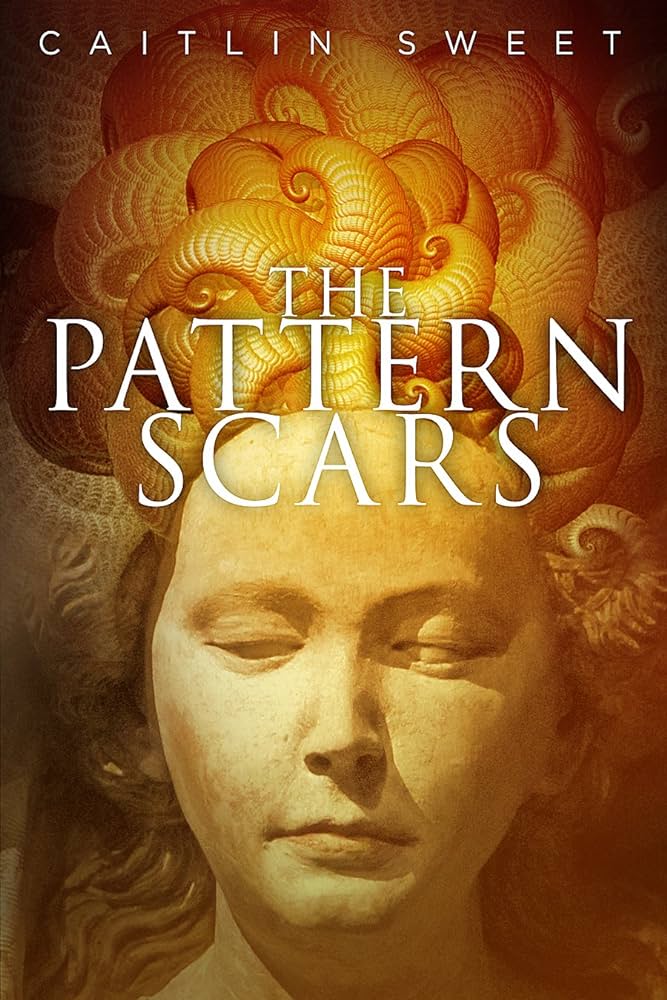
Year published: 2011
Category: Fantasy
Summary: Nola is born into poverty in Sarsenay City. When her mother realizes that Nola has the Othersight and can foretell the future, she sells her to a brothel seer, who teaches the girl to harness her gift. But she will soon learn a harsh lesson: that being able to predict the future has nothing to do with preventing it.
My thoughts: This is simultaneously one of the most beautiful and one of the most horrible books I’ve read in a really long time. The blurb doesn’t describe the overall plot in great detail, but a quick summary is that Nola is groomed and essentially magically entrapped into helping an insane Seer named Teldaru practice blood magic/necromancy in order to try to ignite a war with a neighboring country.
If it isn’t abundantly clear from the content warnings I provided, there is some extremely disturbing content here. The depiction of Teldaru’s abuse is horrific in the extreme and he is an absolute monster, and I say that as someone who is currently embarking on a reading project devoted to depictions of trauma in fantasy. His absolute control over Nola is viscerally depicted and there are some details that make it extremely powerful, especially Nola’s complex feelings and reactions that develop over time and her increasing attempts at resistance.
Nola’s perspective being so beautifully written is one of the book’s principal strengths, and another one is the fact that there are good people who try to help Nola to the best of their ability even though they truly have no idea what is going on. Her childhood friends Berdram and Grasni, as well as her loyal dog Borl, provide some of the only lightness and hope in the entire book, and it would have been a significantly less powerful story without their relationships.
I do want to spend some time talking about the ending. Teldaru’s plan fails and he is killed, but the corpses that he murdered and then re-animated for his plot are stuck in a state that is half-life/half-death because their existence is also tied to Nola’s magic and she still lives. Nola decides to end her life to let them be free. It’s an absolutely gutting ending to a book that is unflinching overall, and I could not stop crying as she sat with Grasni and Borl under the tree where her childhood mentor was buried and read the final poem Bardrem wrote about her.
This book had such an extreme effect on me that I reached out to Caitlin Sweet to thank her for writing it and tell her how much it meant to me. We have had a few email exchanges that I have appreciated so much, including talking about writing characters who may be frustrating to read about because of their trauma and the importance of art about abuse and sexual assault (she also read a draft of the essay about sexual assault in fantasy that I posted a bit ago on r/fantasy). What I really want to highlight here, though, is what she told me when I asked her about how she decided on Nola’s ending. She told me that, despite the potential pitfalls associated with not writing a happy ending for a survivor of extreme abuse, she could not see Nola’s story ending any other way and was still told by many survivors that they found it to be cathartic in the extreme, something that I definitely felt as well. Before I read this book, I don’t think I would have ever imagined that being the case, and it is honestly a testament to Sweet’s skill that it worked as well as it did.
For those of you who read the trigger warnings and think they will be able to handle them, I really, really encourage giving this book a try. It’s beautiful and powerful and visceral and tragic in a completely unique way. I honestly wish I could be more articulate about it because I feel like I haven’t done it total justice in my review.

 Charlotte Kersten
Leave a comment